
Best CT Scan centre in Erode
With the help of CT scan we can quicly find the issues in patients and star the treatments. To avoid delay we have installed CT scan in Tharani Hospital itself. In chennimalai first CT scan is available only in Tharani Hospital

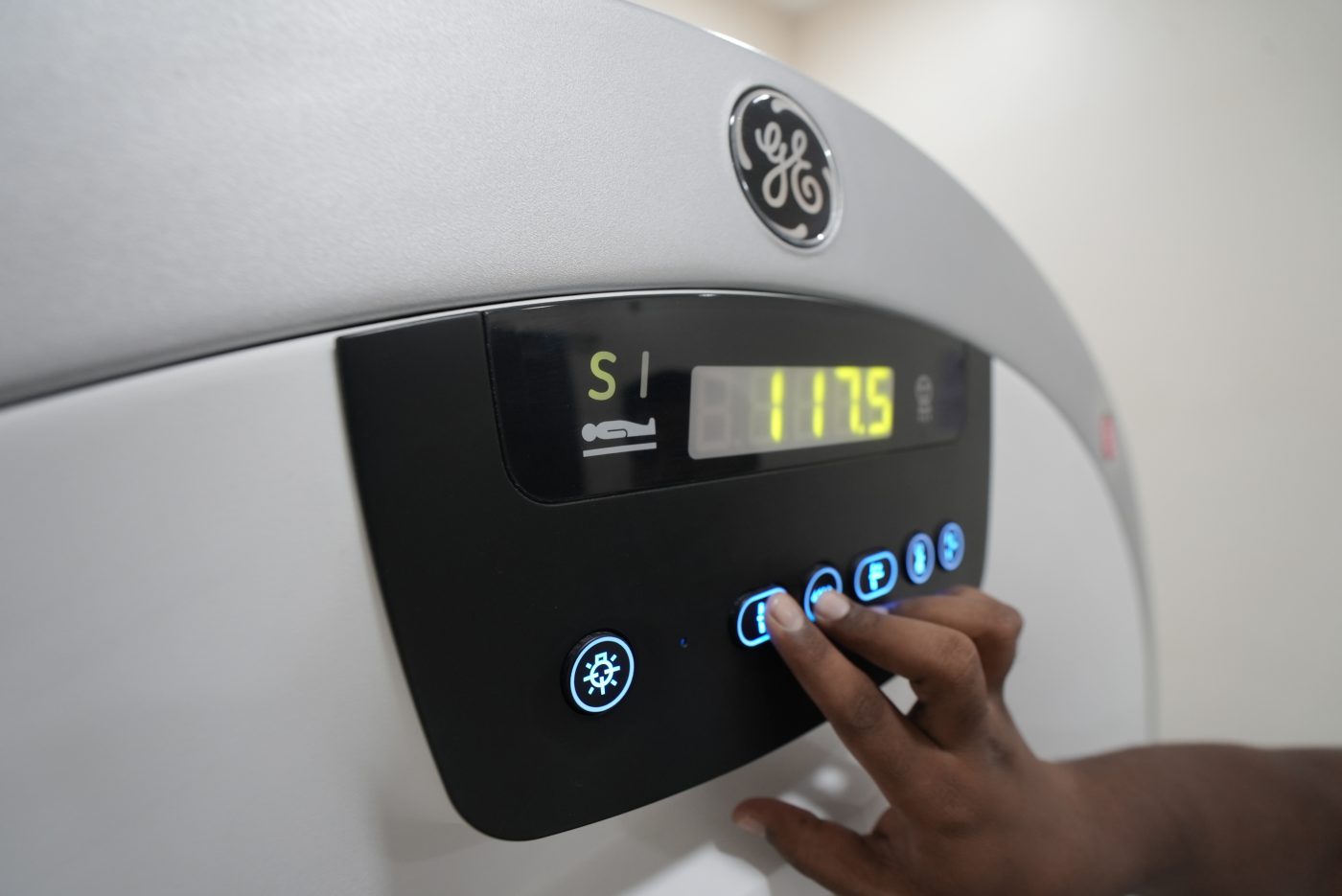
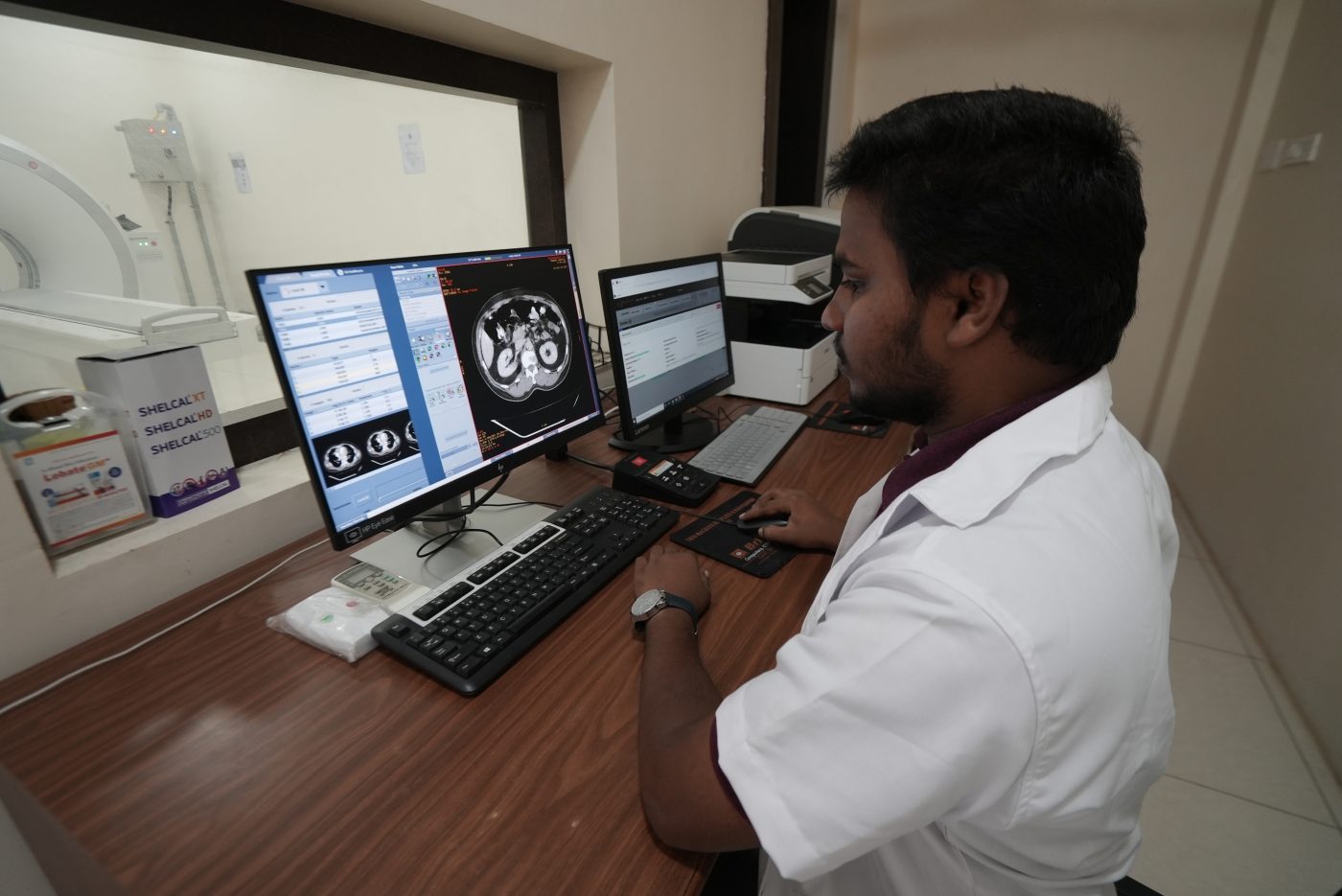
CT Scan in Chennimalai
CT (computed tomography) scans are a crucial tool in medical diagnostics and treatment planning. They use X-rays and computer technology to create detailed cross-sectional images of the body’s internal structures. Here are some common uses:
Benefit of CT Scan :
- Diagnosing Medical Conditions:
- Assessing Trauma and Injuries
- Guiding Procedures
- Monitoring Treatment
- Screening
- Bone Imaging
- Vascular Imaging
- Planning Surgery
Make Appointment
General Knowledge
A CT (computed tomography) scan is a medical imaging procedure that uses X-rays and computer processing to create detailed cross-sectional images of the body's internal structures.
During a CT scan, the patient lies on a table that moves into a doughnut-shaped machine. X-ray beams rotate around the body, and detectors measure the amount of radiation absorbed. A computer processes this data to create detailed images.
No, a CT scan itself is painless. However, some patients may feel discomfort from lying still on the table or from the contrast material injected for certain types of scans.
You'll typically be asked to wear loose, comfortable clothing without any metal objects (such as zippers or buttons) that may interfere with the imaging process. In some cases, you may be provided with a hospital gown to wear during the scan.
The actual scan usually takes only a few minutes, but the entire process, including preparation and post-processing, may take up to 30 minutes to an hour, depending on the specific type of scan being performed.
Preparation varies depending on the type of scan and the area of the body being examined. In some cases, you may need to abstain from eating or drinking for a few hours before the scan, or you may need to drink a contrast material to enhance the images.
While CT scans are generally safe, they do involve exposure to ionizing radiation, which carries a small risk of cancer. The benefits of the scan usually outweigh the risks, especially when it's necessary for diagnosing or monitoring medical conditions.
Pregnant women are generally advised to avoid unnecessary radiation exposure, especially during the first trimester. However, if a CT scan is deemed necessary, the benefits and risks will be carefully evaluated, and shielding techniques may be used to minimize radiation exposure to the fetus.
Your CT scan images will be interpreted by a radiologist, who will generate a report for your healthcare provider. Your provider will then discuss the results with you and recommend any necessary follow-up or treatment.
Depending on the medical condition being evaluated, alternatives to CT scans may include MRI (magnetic resonance imaging), ultrasound, or traditional X-rays. The choice of imaging modality depends on factors such as the part of the body being examined and the specific diagnostic questions to be answered.